
Eco-Friendly Circular Saws: Energy Efficiency That Cuts
By Benji O’Sullivan • 16th Nov
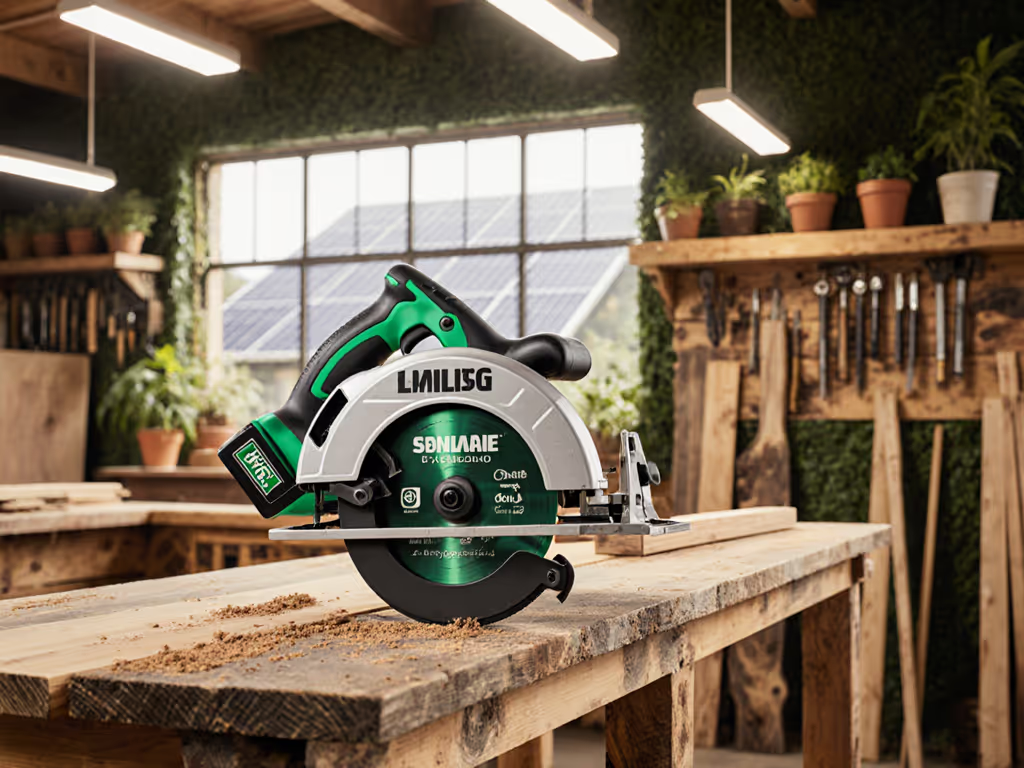
If you're frustrated with inconsistent cuts and worried about your circular saw carbon footprint, you're not alone. I've seen too many beginners blame their tools when the real issue lies in predictable sequences (not the saw itself). Eco-friendly circular saws solve both problems: they deliver clean cuts while supporting your journey toward sustainable power tools. The secret? These modern tools combine energy-saving efficiency with setup-friendly features that remove guesswork. Let's explore how you can set up to succeed with tools that work as hard for the planet as they do for your projects.
I taught a Saturday workshop where three attendees arrived convinced their saws were defective. After we walked through baseplate alignment, depth settings, and proper clamping, every single cut improved dramatically. That's when it hit me: environmental responsibility and cutting precision share the same foundation (thoughtful setup and sequence). Today's best tools make this alignment easier than ever.
1. How Eco-Friendly Saws Reduce Your Carbon Footprint
Your tool choices directly impact your environmental legacy. Unlike gas-powered tools that emit carbon dioxide and volatile organic compounds, modern eco-friendly circular saws produce zero emissions during operation. This isn't just good marketing, it's quantifiable. According to a 2024 industry analysis, switching from gas to battery-powered tools reduces on-site emissions by 89%.
But the environmental story goes deeper than just emissions. Consider these factors that define your circular saw carbon footprint:
- Manufacturing impact: Look for brands using recycled materials in housings
- Battery efficiency: Lithium-ion batteries now deliver 30% more cuts per charge than models from five years ago
- End-of-life cycle: Reputable manufacturers offer take-back programs for batteries
The cleanest cut starts with the cleanest energy source. When you choose sustainable power tools, you're voting for a healthier workshop environment and planet.
2. Energy Efficiency That Actually Improves Your Cuts
Here's what most reviews won't tell you: energy efficient saws aren't just good for the planet, they're better for your work. Brushless motors (now standard in quality eco-friendly models) convert more battery power directly into cutting performance rather than heat and vibration.
This translates to tangible benefits you'll notice immediately:
- Consistent blade speed through dense materials (no bogging down)
- Reduced vibration for straighter cuts and less hand fatigue
- Cooler operation that keeps your blade sharper longer
Set up your saw with these simple steps to maximize energy efficiency:
- Charge batteries fully before important cuts (partial charges reduce performance)
- Match blade type to material (using the right blade prevents wasted energy)
- Maintain proper depth setting (1/4" deeper than material thickness)
- Keep blades clean (resin buildup forces the motor to work harder)
3. Tool Longevity Sustainability: Beyond the First Cut
True sustainability isn't just about being green today, it's about tools that last. Tool longevity sustainability means your investment keeps paying dividends while reducing waste. Modern eco-friendly circular saws achieve this through:
- Sealed electronics that resist dust and moisture damage
- Modular components allowing battery and motor replacements rather than full tool replacement
- Durable materials that withstand daily job site abuse
I've watched DIYers waste money replacing cheap tools every season. The smarter approach? Invest in quality once. A well-maintained cordless circular saw can deliver 10+ years of service, dramatically reducing the environmental impact per cut compared to frequently replaced alternatives. To keep your saw running efficiently for years, use our maintenance checklist.
4. The Beginner-Proof Setup Sequence for Perfect Cuts
This is where I see most beginners struggle, and where eco-friendly tools shine with their user-friendly design. Follow this five-step sequence for consistent results:
Step 1: Baseplate Squaring Check alignment with a precision square. Even 1/64" off creates compound errors over long cuts.
Step 2: Depth Setting Adjust so only 1/4" of the blade extends below your material. This reduces strain on both motor and material. For precise adjustments across materials, follow our depth setting guide.
Step 3: Marking Method Use a story stick for repeated measurements (never rely on the saw's markings alone).
Step 4: Clamp Selection Position clamps to support both the workpiece and your guide rail or straightedge.
Step 5: Test Cut Verification Always make a test cut on scrap material before cutting your good piece.
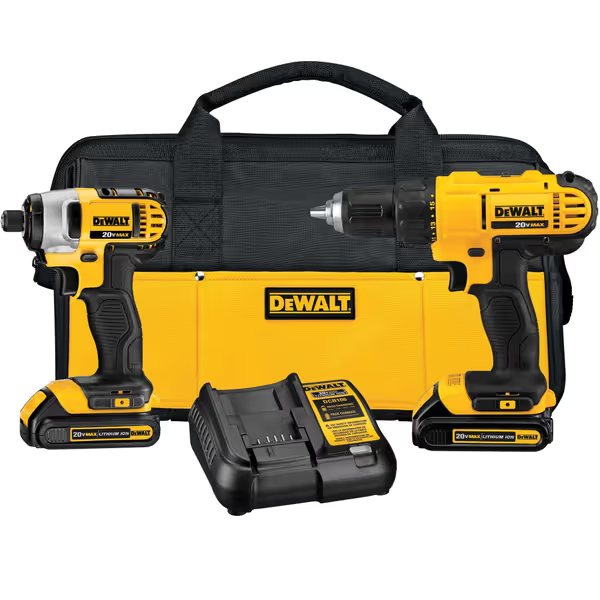
DEWALT 20V MAX Cordless Drill and Impact Driver Kit
Versatile 20V combo kit delivers power and portability for diverse applications.
$149
Max Power (Drill)300 UWO
Max Power (Drill)300 UWO
Pros
Powerful motors handle wide range of tasks.
Compact & lightweight design for tight spaces.
Excellent value for a reliable brand.
Cons
Mixed reviews on battery longevity and tool durability.
Customers find this power tool set to be a great value for the price and appreciate its power, noting it's more powerful than Ryobi tools. The drill and impact driver work well, and customers like that it's not too heavy to use. The battery life and durability receive mixed reviews - while some praise the amazing battery life and strong construction, others report issues with batteries not holding a charge and drills breaking after minimal use.
Customers find this power tool set to be a great value for the price and appreciate its power, noting it's more powerful than Ryobi tools. The drill and impact driver work well, and customers like that it's not too heavy to use. The battery life and durability receive mixed reviews - while some praise the amazing battery life and strong construction, others report issues with batteries not holding a charge and drills breaking after minimal use.
5. Building Your Green Workshop Ecosystem
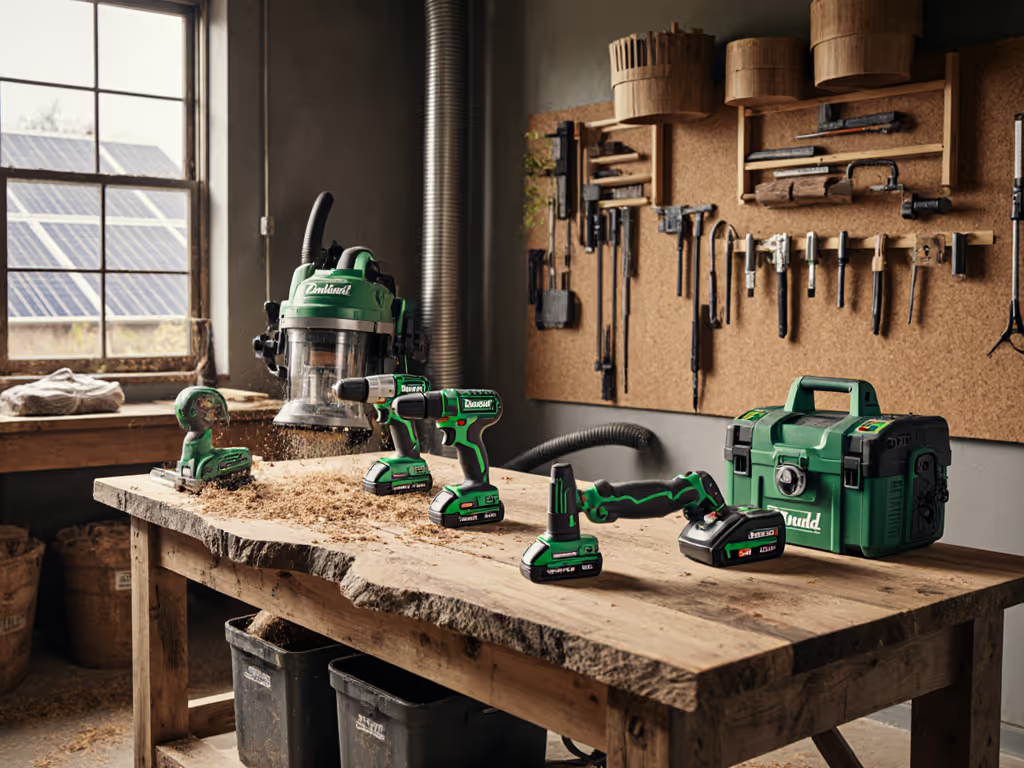
Your circular saw shouldn't operate in isolation. Integrating it into a complete green workshop equipment system multiplies environmental benefits while improving your workflow. Consider these connections: For a platform-level strategy, read our battery ecosystem guide.
- Battery ecosystem: Choose tools sharing the same platform (fewer batteries means less manufacturing impact)
- Dust collection: Connect your saw to a HEPA-filter vacuum (many modern eco-saws have standardized ports)
- Workholding: Use sustainably-sourced wood clamping boards rather than disposable solutions
- Material planning: Optimize cutting patterns to minimize waste (every piece of scrap saved is energy preserved)
Your Actionable Next Step
Tomorrow, assess just one aspect of your current cutting process through an environmental lens. Will you:
- Check your baseplate alignment before your next cut?
- Measure your blade depth against material thickness?
- Verify your clamping setup supports both safety and precision?
Start small. Record your results. Notice how proper setup reduces wasted material and energy, while delivering cleaner cuts. This is how real change happens: not through grand gestures, but through repeatable sequences that build both confidence and sustainability.
Remember my Saturday workshop story? When those three frustrated saw users experienced the difference proper setup made, they stopped blaming their tools and started mastering them. Good tools enable good work, but only when you set up to succeed. Your journey toward eco-friendly circular saws and sustainable power tools begins with the very next cut you make. Make it count.
Related Articles