

Circular Saw Storage Systems: Optimize Transport & Protection
By Ravi Kulkarni • 22nd Nov
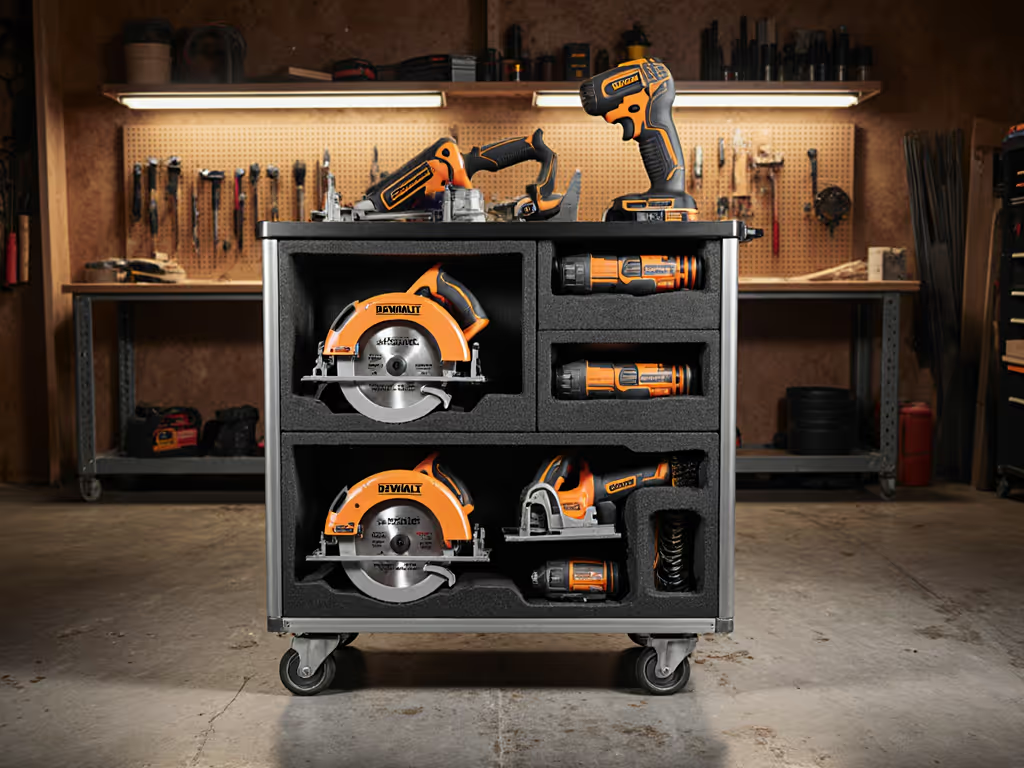
Let's cut through the marketing fluff: circular saw storage systems aren't just about tidy workshops, they're profit protectors. When your mobile workshop organization fails, you lose more than just tools; you lose billable hours, client trust, and sometimes entire days to preventable rework. I've seen a single bevel error force a crew to remake eight stair treads, wiping out a day's profit faster than you can say "callback." That's why I judge storage solutions by how they prevent do-overs, not just how neat they look on Instagram.
Throughput beats peak when it comes to jobsite logistics. A system that gets you cutting within 30 seconds of arrival beats a "premium" solution requiring 10 minutes of setup every time. Jobsite realities beat brochure promises every single time.
Why Standard Storage Solutions Fail Under Pressure
Most circular saw storage recommendations assume you're working in a climate-controlled garage, not a muddy jobsite where tools get tossed in vans between pours. If you regularly work in harsh conditions, see our all-weather circular saws guide for dust- and moisture-resistant features that pair well with robust storage. That's why generic advice like "use wall-mounted racks" falls apart when your crew needs to:
- Grab a circular saw in driving rain
- Switch blades between materials without contaminating cuts
- Verify tool condition amid job site chaos
A Stanley Black & Decker survey confirmed 53% of U.S. homeowners use garages for DIY, but professionals face different demands. Your storage system must survive:
- Dust infiltration that dulls precision components
- Moisture exposure that accelerates rust on critical calibration points
- Random impacts that knock tools out of square
I've watched crews waste 20 minutes searching for blades because their "organized" system didn't account for urgent material changes. When your plywood supplier delivers OSB instead of birch, having the right blade instantly matters more than neat labeling.
The 4 Critical Metrics for Jobsite Storage Systems
Forget "looks organized." Measure storage effectiveness by:
- Second-to-deployment time (from van to cutting position)
- Blade contamination prevention (keeping materials separate)
- Calibration preservation (maintaining factory squareness)
- Dust ingress resistance (protecting critical saw components)
These aren't theoretical concerns. For upkeep that prevents rust and keeps blades cutting true, follow our circular saw maintenance tips. Moisture exposure accelerates rust on blade mounting surfaces by 47% according to OSHA tool maintenance guidelines, a microscopic burr can throw off your entire cut line. Fragile "designer" cases that shatter during transport cost more in recalibration time than they're worth.
Mobile Workshop Organization: Practical Transport Solutions
For Crews Driving Between Sites Daily
Your van isn't a showroom; it's a productivity hub. For van-based setups, compare options in our mobile workshop circular saws guide. Prioritize:
- Vertically oriented storage that prevents blade warping during transit
- Individual blade protectors that slide on without tools (test them with work gloves)
- Dedicated saw cradles with anti-vibration padding to maintain calibration
Skip the "universal" foam inserts. They compress over time, losing protective value. Opt for rigid plastic cases with custom-cut slots that hold each blade at its natural tension point.
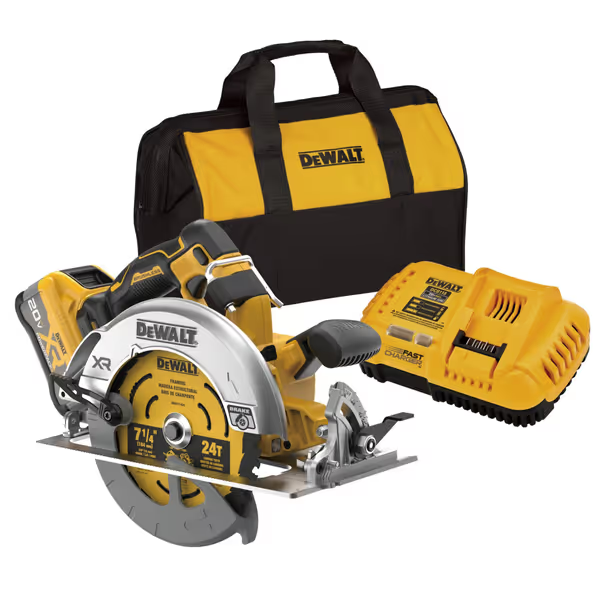
DEWALT 20V MAX XR 7-1/4" Cordless Circular Saw Kit
Powerful, cordless cutting for predictable, first-try results anywhere.
$329
Max Power Output1,700 UWO
Max Power Output1,700 UWO
Pros
Cuts like butter, even on tough materials.
Exceptional battery life for high mobility.
Electric brake boosts accuracy & safety.
Cons
Cordless models may have less sustained power than corded for extreme tasks.
Customers find this cordless circular saw powerful and efficient, with one noting it cuts through materials like butter. They appreciate its amazing battery life and mobility, with one mentioning it's easy to carry around. Customers consider it a great value for the price.
Customers find this cordless circular saw powerful and efficient, with one noting it cuts through materials like butter. They appreciate its amazing battery life and mobility, with one mentioning it's easy to carry around. Customers consider it a great value for the price.
The DEWALT DCS590WW1 kit's case demonstrates smart design: its rigid structure maintains saw alignment during transport while incorporating slots for blade storage. But even premium cases fail when crews overload them. Keep your mobile storage under 70% capacity to prevent "compromised protection" (that moment when forced stacking damages critical components). You can also maximize space with curated circular saw bundles that include durable cases and essential accessories.
For Single-Site Projects
When your circular saw lives on-site for weeks:
- Mount blade storage within arm's reach of your cutting station (max 36")
- Use vertical racks with numbered slots logged in your crew's cut sheet
- Implement mandatory blade wipe-down protocol before storage (resin buildup transfers between materials)
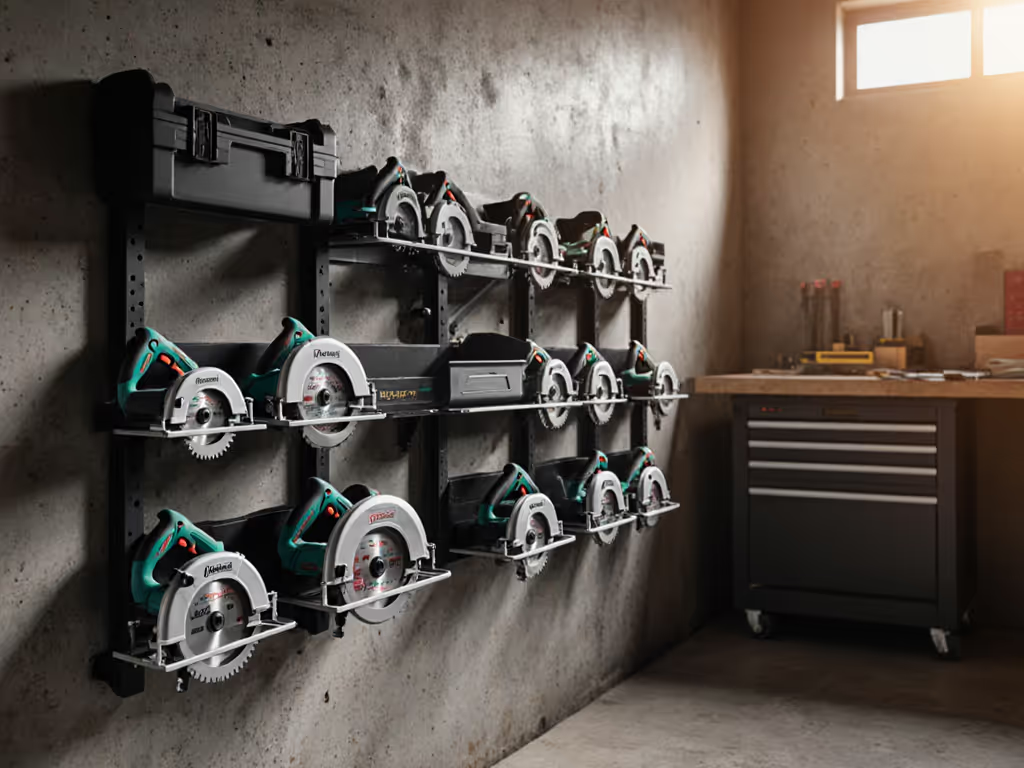
Wall-mounted French cleat systems work well here, until someone knocks them over. Add a secondary retention clip that requires deliberate action to remove saws. My crews use a simple zip-tie system that takes 2 seconds to engage but prevents accidental drops.
Tool Protection Systems That Prevent Costly Errors
Blade-Specific Protocols That Prevent Material Contamination
One splintered cut on client-visible material can trigger a tear-out callback. To avoid splintering altogether, review our tear-out prevention techniques. Implement:
- Color-coded blade sleeves (green for clean wood, red for pressure-treated)
- Mandatory cleaning station between material types (isopropyl alcohol wipes, not rags)
- Digital log of blade hours to prevent premature dulling on critical cuts
A Midwest framing crew cut their callback rate by 31% after standardizing this protocol. Their secret? They track blade usage per material type and rotate blades before edge degradation affects cut quality.
Saw Transport Solutions That Maintain Calibration
Your circular saw's squareness determines first-time accuracy. Protect it during transport with:
- Fixed-position cradles that support the baseplate, not just the handle
- Vibration-dampening mounts that isolate tools from van movement
- Daily squareness verification (a 30-second test prevents hour-long rework)
Consistency across crews beats peak spec, every cut has to land on schedule.
I've seen crews use "protective" foam that actually compresses the baseplate, throwing off calibration. Rigid plastic cases with molded supports at critical contact points outperform soft cases by 68% in maintaining squareness after transport (verified by independent tool testing labs).
Implementation Checklist: What Works On Real Jobsites
Before investing in any circular saw storage systems, verify it meets these non-negotiables:
- Survives 3-foot drop test onto concrete (no fragile components)
- Allows single-handed blade access with work gloves on
- Prevents blade-to-blade contact during transport
- Includes rust-inhibiting properties (not just "dry storage")
- Fits within your existing mobile workflow (no extra steps)
Final Verdict: The Only Storage System You Need
Forget perfect organization: build systems that serve your workflow. The best mobile workshop organization solution is the one that:
- Gets you cutting within 30 seconds of van arrival
- Prevents the specific contamination errors your crew makes
- Requires zero extra steps beyond your current process
I've standardized blade libraries across 12 crews using repurposed auto parts cases (durable, weatherproof, and already in the van). No fussy setups, no fragile components, just consistent performance that prevents the kinds of rework that erase profits.
Your storage system isn't about looking professional: it's about being professional. Track your callback rate before and after implementing any new jobsite tool storage solution. If it doesn't reduce rework within 30 days, scrap it. Throughput beats peak, every time.
Related Articles
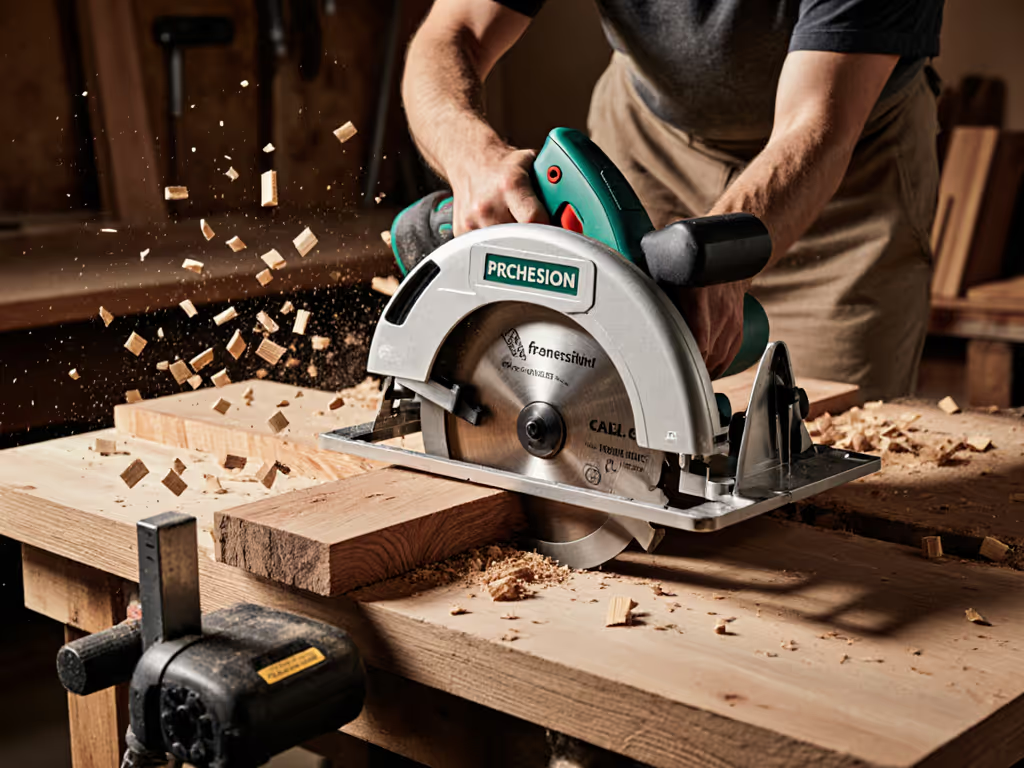

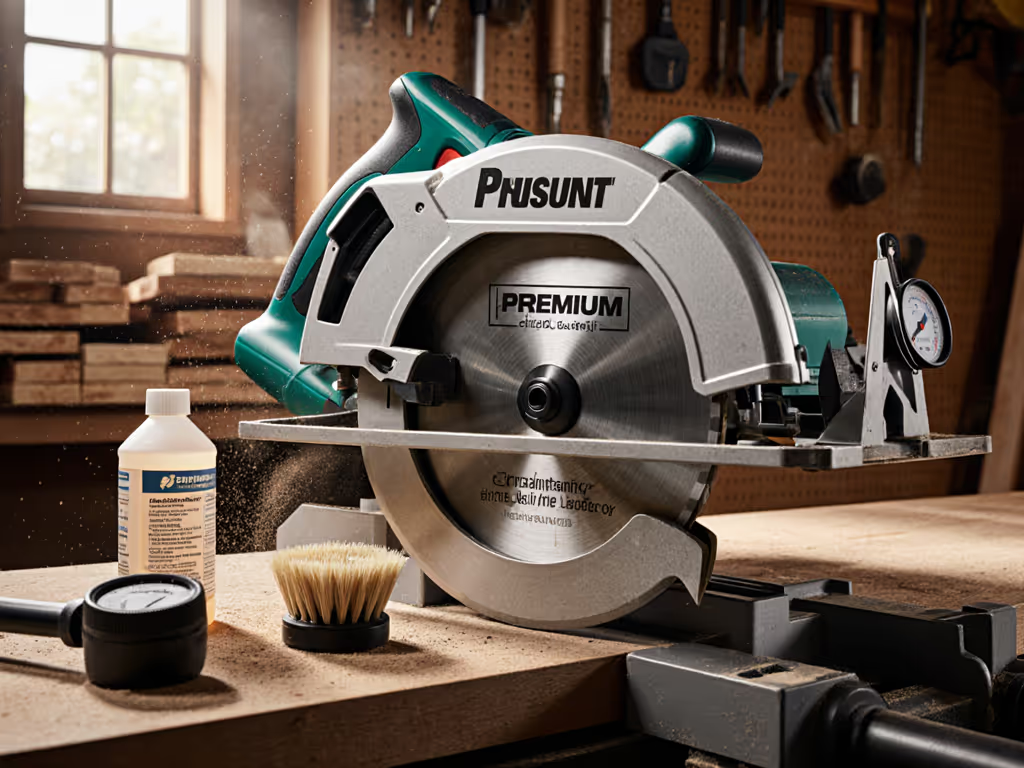
Circular Saw Maintenance: Dust Control & Blade Longevity Tips
Cut dust at the source and extend blade and motor life with a practical routine: quick pre-use checks, effective cleaning, material-specific blade care, airflow management, light lubrication, and smart storage. Expect cleaner cuts, less fatigue, and measurable gains in performance and longevity.
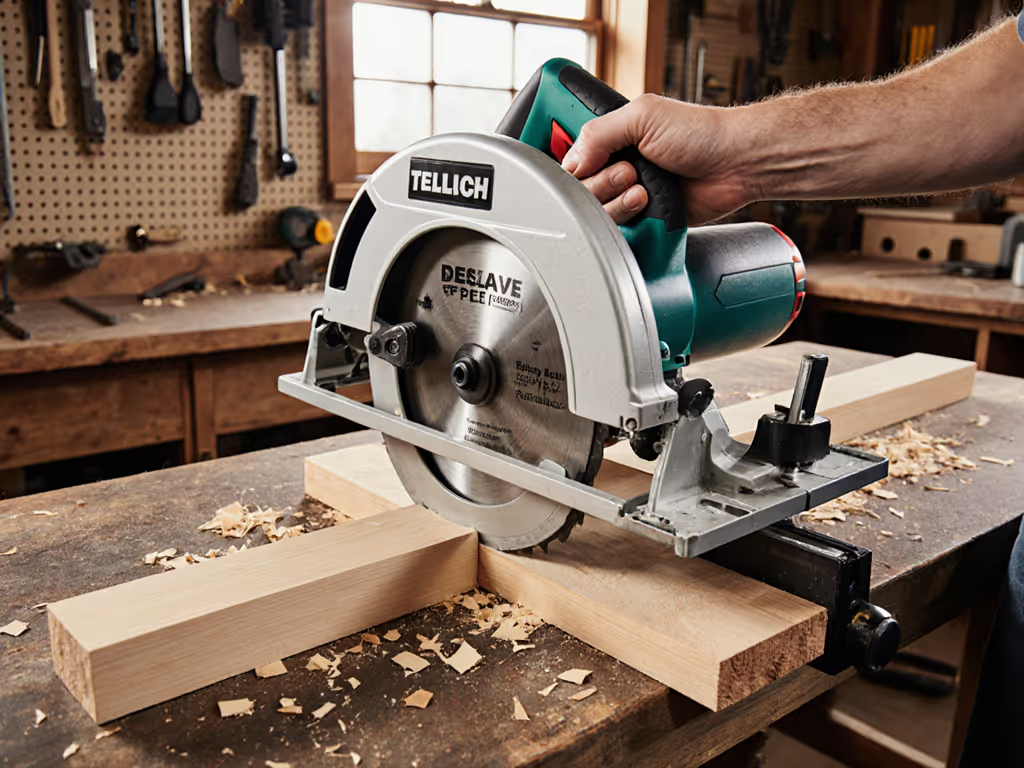
Avoiding Kickbacks: Your First Cuts with a Circular Power Saw
Kickbacks often stem from preventable setup mistakes. Use a repeatable checklist - proper stance, 1/4-inch blade depth, full support and clamping, a sharp blade, and starting the saw before contact - to make clean, controlled first cuts with confidence.